PACKING
The art of packing light
Traveling with one bag changes the whole trip: quicker airports, easier transfers and fewer decisions every morning. Here's how to get there.
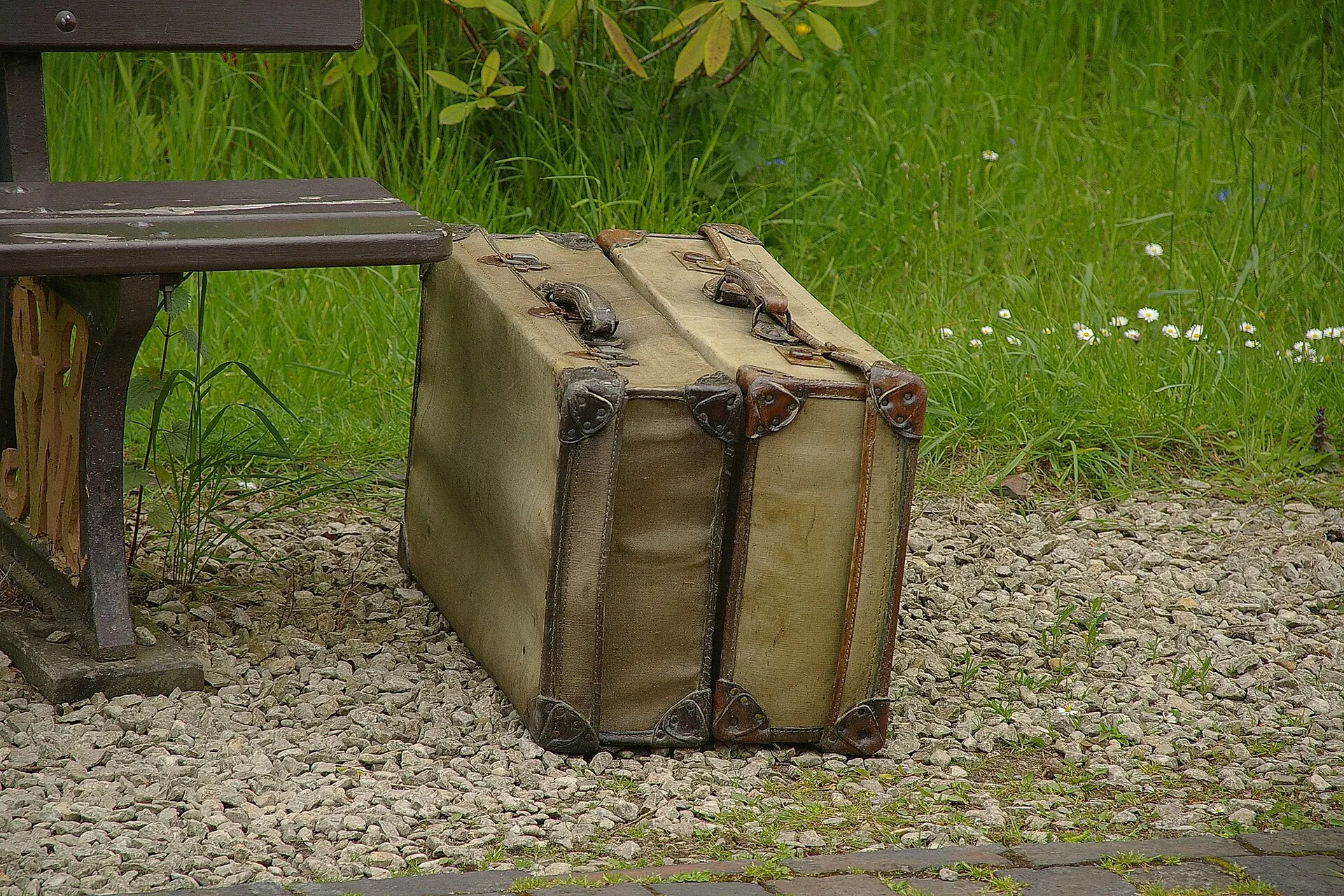
A heavy suitcase costs more than the number on the scale. It's the wait at the baggage belt, the stairs at the metro station with no elevator, the taxi you take because you can't face the walk. Packing light gives you back time and choices, and once you've done it, it's hard to go back.
The good news is that it's a skill, not a personality trait. Anyone can learn it.
Start with the trip, not the suitcase
Before anything goes in a bag, sketch out the trip. How many days, what kind of weather, and what will you actually be doing? A city break with one nice dinner needs very different clothes from a week of hiking.
Then plan to wash something. If you pack for about a week and do a quick load of laundry or a sink wash, the same bag works for a trip of any length. That single decision does more than any packing gadget.
Build a small wardrobe that mixes
Choose a simple color palette, two or three colors that all go together, so every top works with every bottom. Favor layers over bulk: a light sweater and a thin waterproof jacket cover more weather than one heavy coat.
Shoes take the most space, so limit yourself to two pairs and wear the bulkier pair on travel days. The same goes for your warmest layer.
Pack for the traveler you are, not the one you imagine on the fifth day of the trip.
A carry-on checklist
Whatever else you bring, keep these close, in the bag that stays with you:
- Passport or ID, plus a photo of it saved on your phone
- Boarding passes and bookings, downloaded for offline use
- Phone, charger and a plug adapter for your destination
- Any medication, in its original packaging
- A change of clothes, in case plans or bags go astray
- Liquids packed to your departure airport's security rules
- An empty water bottle to fill after security
- A light layer or scarf, since cabins can run cold
- Earplugs or headphones, and a pen for arrival forms
Pack smarter, not tighter
Rolling soft clothes saves space and reduces creases; folding works better for structured pieces. Packing cubes won't shrink your clothes, but they keep a small bag organized, so you're not unpacking everything to find one shirt.
Use the dead space: socks and chargers fit inside shoes, and a small pouch keeps cables from tangling. Keep the things you need at security in an outer pocket.
What to leave at home
Most overpacking comes from "just in case." Full-size toiletries, a third pair of shoes, the outfit for an occasion that isn't on the plan. Nearly everything can be bought at your destination if you truly need it, and you rarely will.
Try one trip this way. The first time you walk straight past the baggage carousel, you'll understand the appeal.